
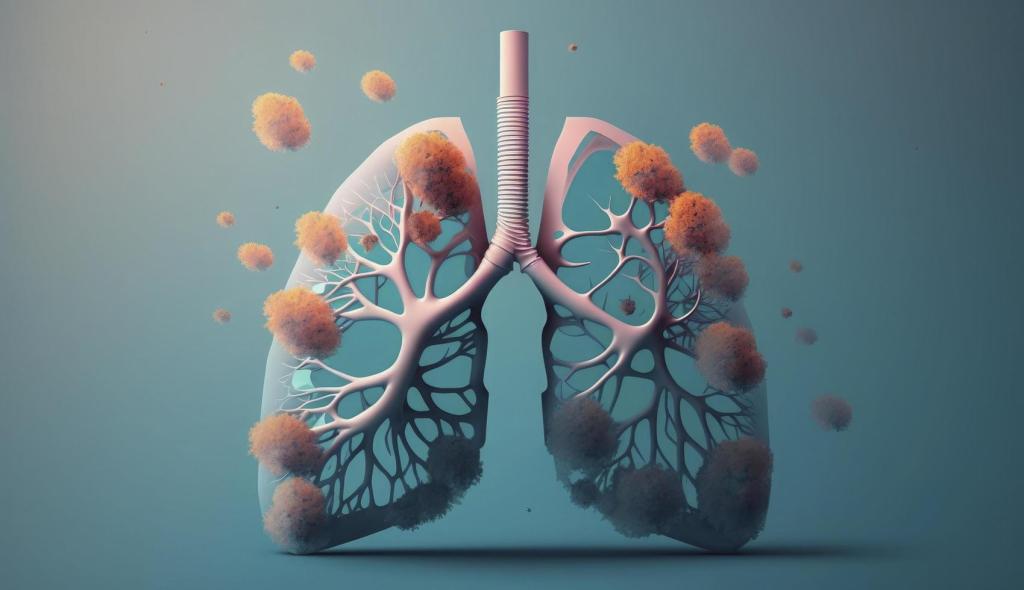
I know what it’s like to fight for air.
Asthma has been a part of my life for as long as I can remember, but it wasn’t until a severe asthma attack landed me in a coma that I truly understood the gravity of this condition. That terrifying experience shook me to my core — moments when every breath felt impossible, and my body was fighting for survival.
I want to be clear: modern medicine saved my life, literally. The emergency treatments and hospital care were nothing short of miraculous. But that brush with death also opened my eyes to how important it is to explore natural and holistic strategies to better support respiratory health — to reduce flare-ups and strengthen the body’s defences alongside prescribed medication.
In sharing my story, my hope is to empower others living with asthma to take a more informed, holistic approach to their health, always in partnership with their healthcare team.
This illness is serious, and deadly.
Understanding Asthma at Its Core
Asthma is a chronic inflammatory condition. It’s often triggered by allergens, irritants, stress, or even weather changes. But what if we could go beyond symptom control and look at why the body is inflamed in the first place?
Let’s explore some holistic approaches that focus on reducing inflammation, strengthening the lungs, and creating a cleaner internal and external environment—so we’re not always reacting, but actively protecting.
Holistic Ways to Support Asthma
🌿 1. Anti-Inflammatory Nutrition
The link between inflammation and asthma is strong. A whole-food, anti-inflammatory diet can support immune health and reduce flare-ups.
- Omega-3 fatty acids (wild-caught fish, flaxseeds)
- Leafy greens (rich in magnesium and antioxidants)
- Turmeric (curcumin is a powerful anti-inflammatory)
- Ginger and garlic (both support lung and immune function)
- Avoid dairy, processed sugars, and seed oils where possible
🌬️ 2. Breathing Techniques
Simple breathwork can regulate the nervous system and improve lung capacity.
- Buteyko Method: Reduces over-breathing and strengthens carbon dioxide tolerance.
- Box breathing: A calming, structured method that helps expand lung function.
🌾 3. Environmental Detox
Many people with asthma are highly reactive to hidden environmental toxins.
- Remove synthetic air fresheners, scented candles, and chemical cleaners
- Use HEPA air purifiers and keep windows open when possible
- Avoid mold exposure—check bathrooms and damp areas carefully
🌸 4. Herbal Support
These herbs have been traditionally used to support lung and respiratory health:
- Mullein: Known for its soothing effect on the lungs
- Lobelia: Used sparingly; helps open airways
- Licorice root: Anti-inflammatory, supports the adrenal glands
- Thyme: Antimicrobial and supports mucus clearance
Note: Always consult a professional when introducing herbs, especially with existing medications.
🧘♀️ 5. Emotional + Nervous System Regulation
Asthma is closely linked to the nervous system. Stress can tighten the chest as quickly as an allergen.
- Regular grounding practices (like walking barefoot or gentle stretching)
- Nervous system work: slow, deep breathing and vagus nerve stimulation
- Releasing stored trauma through somatic practices or gentle therapy
A Standard Australian Asthma Action Plan
In Australia, asthma management often includes a personalized Asthma Action Plan developed in consultation with your healthcare provider. These plans are typically based on symptom patterns and are divided into three zones:
Green Zone – Well-Controlled Asthma
- No symptoms during the day or night
- Able to participate in normal activities
- Continue with prescribed preventer medication as directed
Yellow Zone – Worsening Asthma
- Experiencing symptoms such as coughing, wheezing, or shortness of breath
- Waking at night due to asthma symptoms
- Increase in reliever use
- Follow the action plan steps, which may include:
- Using reliever medication as prescribed
- Monitoring symptoms closely
- Consulting your doctor if symptoms persist
Red Zone – Severe Asthma Attack
- Severe symptoms such as difficulty speaking, blue lips, or rapid breathing
- Reliever medication not providing relief
- Immediate action required:
- Call emergency services (000)
- Follow emergency instructions provided in your action plan
For a detailed and personalized Asthma Action Plan, consult with your healthcare provider. Templates and resources are available through the National Asthma Council Australia: National Asthma Council Australia
Final Thoughts
Asthma is complex—and so are our bodies. But that’s not a bad thing. It means healing isn’t linear, and there’s more to explore than just one route.
I won’t claim every remedy here is for everyone. But what I will say is this: when you look at asthma through the lens of support, not just suppression, the body starts to shift. It becomes stronger, less reactive, and more resilient.
This isn’t medical advice—it’s a conversation. And I hope it’s one that opens new doors for you or someone you love.
Disclaimer: This blog is not medical advice. Always consult your healthcare provider before beginning new treatments, especially when it comes to asthma management.
 THE CLEAN CRIB