In 2025, more parents and homemakers than ever are questioning what’s really in their cleaning products. Harsh synthetic chemicals, artificial fragrances, hormone disruptors—they’re common in mainstream cleaners, and they have no place in a natural, healing home.
Luckily, there are powerful and safe alternatives that clean just as well—without compromising your health or the health of your little ones.
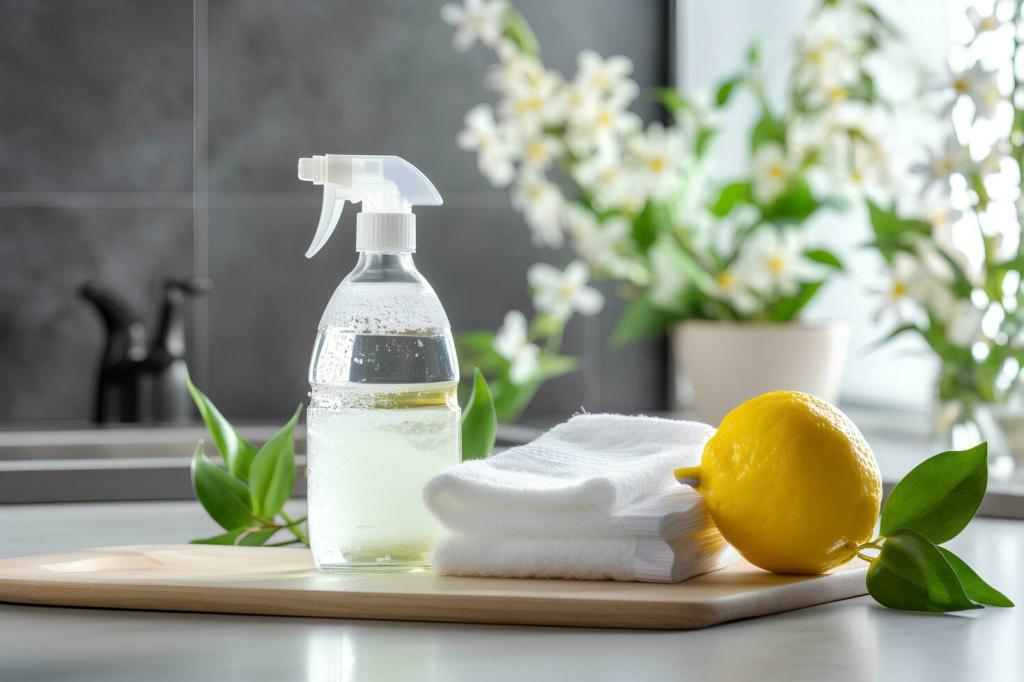
Here are the best natural all-purpose cleaners of 2025, including DIY options and trusted ready-made products that actually work.
🧼 1. Homemade Citrus-Vinegar Cleaner
A powerful, non-toxic option made with just a few ingredients. The vinegar kills germs, while the citrus oils cut through grease and leave a fresh scent.
Ingredients:
- White vinegar
- Citrus peels (lemon, orange, grapefruit)
- Optional: a few drops of tea tree or eucalyptus essential oil
Instructions:
Fill a jar with citrus peels and cover with vinegar. Let it sit for 1–2 weeks. Strain into a spray bottle, dilute 1:1 with water, and you’re done!
✅ Best for: benchtops, sinks, bathrooms, and glass
⚠️ Avoid on natural stone like marble or granite
🧴 2. Thieves Household Cleaner by Young Living
A long-standing favorite in the natural world, this plant-based cleaner uses clove, lemon, cinnamon, eucalyptus, and rosemary oils. One bottle lasts ages because it’s highly concentrated.
✅ Plant-based, essential oil-powered
✅ Effective against bacteria, grease, and grime
✅ Safe for kids and pets
🍋 3. Koala Eco Multi-Purpose Cleaner (Australia-Based)
Made in Australia with Australian essential oils like lemon myrtle and mandarin, Koala Eco is non-toxic, biodegradable, and actually smells like a spa day in a bottle.
✅ Eco-friendly packaging
✅ Locally made
✅ No synthetic fragrance, dyes, or ammonia
🧽 4. DIY Castile Soap Spray
Dr. Bronner’s Castile Soap is the ultimate natural staple—gentle yet effective.
To make an all-purpose spray:
Recipe:
- 2 tbsp Castile soap
- 500 ml water
- 5–10 drops essential oil (lemon, lavender, or peppermint work great)
Shake gently in a spray bottle.
✅ Safe on wood, glass, plastic, and even baby toys
✅ Non-toxic and budget-friendly
✅ Easy to refill and reuse
🧂 5. Bon Ami Powder Cleanser
For tougher messes like grime, baked-on grease, or bathroom scum, Bon Ami is a great alternative to chemical scrubs.
✅ Just five ingredients
✅ No bleach, dyes, or synthetic perfume
✅ Gentle enough for cookware, tough enough for tiles
🧡 Why Ditch the Toxins?
When you walk down the cleaning aisle of a supermarket, you’re surrounded by products that promise “lemon freshness,” “99.9% germ kill,” and “sparkling shine.” But behind the branding lies a long list of toxic ingredients—many of which are linked to health problems ranging from allergies to hormone disruption, and even cancer.
Here’s a closer look at what you’re really spraying around your home, and why it’s worth making the switch:
🧪 1. Fragrance (a.k.a. “Parfum”) — A Hidden Chemical Cocktail
“Fragrance” is a trade-secret term that can legally hide hundreds of unlisted synthetic chemicals. These often include:
- Phthalates: Hormone disruptors linked to reproductive issues and early puberty.
- Synthetic musks: Bioaccumulative compounds found in breast milk and fat tissues.
- Allergens: Known triggers for asthma, migraines, and skin irritation.
Fact: One 2010 study by the Environmental Working Group (EWG) found 14 secret chemicals in a single bottle of popular air freshener—none listed on the label.
🫁 2. Volatile Organic Compounds (VOCs) — Polluting Your Indoor Air
Many cleaning products release VOCs, which are chemicals that evaporate into the air and contribute to:
- Headaches, dizziness, and nausea
- Long-term damage to liver, kidneys, and nervous system
- Indoor air pollution (often worse than outdoor air!)
Even so-called “green” cleaners can contain VOCs under the radar.
🔬 3. Antibacterial Agents (like Triclosan) — Bad for You AND the Planet
Triclosan and similar compounds found in antibacterial sprays and hand soaps:
- Disrupt thyroid and reproductive hormones
- Contribute to antibiotic-resistant bacteria
- Are toxic to aquatic life when they wash down the drain
Did you know? Triclosan was banned in soaps in the U.S. but is still legal in many other countries, including Australia.
☣️ 4. Bleach & Ammonia — Harsh, Reactive, and Dangerous When Combined
Both are respiratory irritants that can cause coughing, wheezing, and chronic lung damage with regular exposure.
Mixing bleach with ammonia (a common mistake) releases chloramine gas, which can be lethal in high concentrations.
Even using either one separately can create a toxic environment—especially for children and pets who are closer to the ground and more vulnerable.
🧠 5. Neurotoxins and Endocrine Disruptors — The Silent Saboteurs
Common ingredients like 2-butoxyethanol, nonylphenol ethoxylates, and certain preservatives have been found to:
- Impair brain development
- Mimic estrogen or block hormone receptors
- Alter immune function over time
You might not feel the effects instantly, but these chemicals accumulate—and so do their consequences.
📩 Want DIY Recipes + Non-Toxic Swaps?
Subscribe to receive weekly guides, cleaning checklists, and natural home recipes straight to your inbox—made for the conscious parent who’s done with greenwashing.
 THE CLEAN CRIB